MNLS BLOGS
We spend so much time helping kids with what’s hard.
What if we gave just as much attention to what they do incredibly well?
November, 2026
When something isn’t going right with our kids, that’s often where all of our attention goes.
They’re struggling to read, so we focus on reading.
They’re behind in a subject, so we focus on catching them up.
They’re having difficulty in school, so we focus on what needs to improve.
Of course we want to help our kids with the things that are hard. But what happens when so much of our attention goes toward the struggle that we lose sight of all the places they shine.
I recently met with a teenager who has struggled academically in some areas. His mom shared that before having a neuropsych evaluation, he saw himself through the lens of what he couldn’t do.
He didn’t feel smart. He felt like there was something wrong with him.
And then he learned something about himself.
He has an incredible ability in math. His ability is so advanced that he’s capable of doing math far beyond what’s expected for his age.
His mom said it changed the way he saw himself.
Nothing about him changed that day. Those abilities had always been there.
What changed was what he knew about himself.
We put so much emphasis on kids being good at everything. Reading. Writing. Math. Sitting still. Paying attention. Staying organized. Following directions.
But are any of us good at everything?
As adults, we tend to find the things we’re good at. We choose careers and hobbies that use our strengths. We ask someone else for help with the things that aren’t our strength.
Yet sometimes we expect our kids to excel in every area.
I’m not suggesting that we ignore the places where our kids need support. I make a living helping kids with things that are hard for them!
But what if we put just as much energy into discovering and developing their gifts?
What are they naturally good at?
What makes them light up?
What do they know more about than you ever wanted to know?
Where do you see a side of them that makes you think, Wow. Look at what that brain can do.
Because I don’t want a child who struggles to read to grow up believing, “I’m not smart.”
I’d rather they understand:
“Reading is hard for me. And there are also things my brain does incredibly well.”
That’s a big part of what I want kids to understand when they walk through my door at Minnesota Learning Solutions.
Yes, we’re going to work on the thing that’s hard.
But we’re also going to help them understand the brain they’re working with. We’re going to use their strengths. And hopefully, along the way, they’ll begin to see themselves a little differently.
We can support the struggle without making the struggle the story of who they are.
So maybe this month, spend a little time noticing.
Not what needs work but what’s already working.
And be sure your child knows you see it, too.
You can schedule a complimentary phone consultation here:
With hope and understanding,
Tracy
Minnesota Learning Solutions
Ava recently completed her reading program, and I’m excited about the progress she’s made!
One of the things we explored was Ava’s natural ability to think in pictures. Although she was already a strong picture thinker, she hadn’t realized how she could intentionally use that ability to support her reading and learning.
Throughout her program, Ava learned to recognize confusion, use her new tools, and get herself back on track when reading became difficult.
When asked what changes she noticed, Ava shared:
“I’m reading more fluently, I’m reading bigger words, and I’m understanding what I’m reading.”
It’s been a pleasure working with Ava, and I’m excited for her to continue building on these skills and growing in confidence.
Congratulations, Ava!
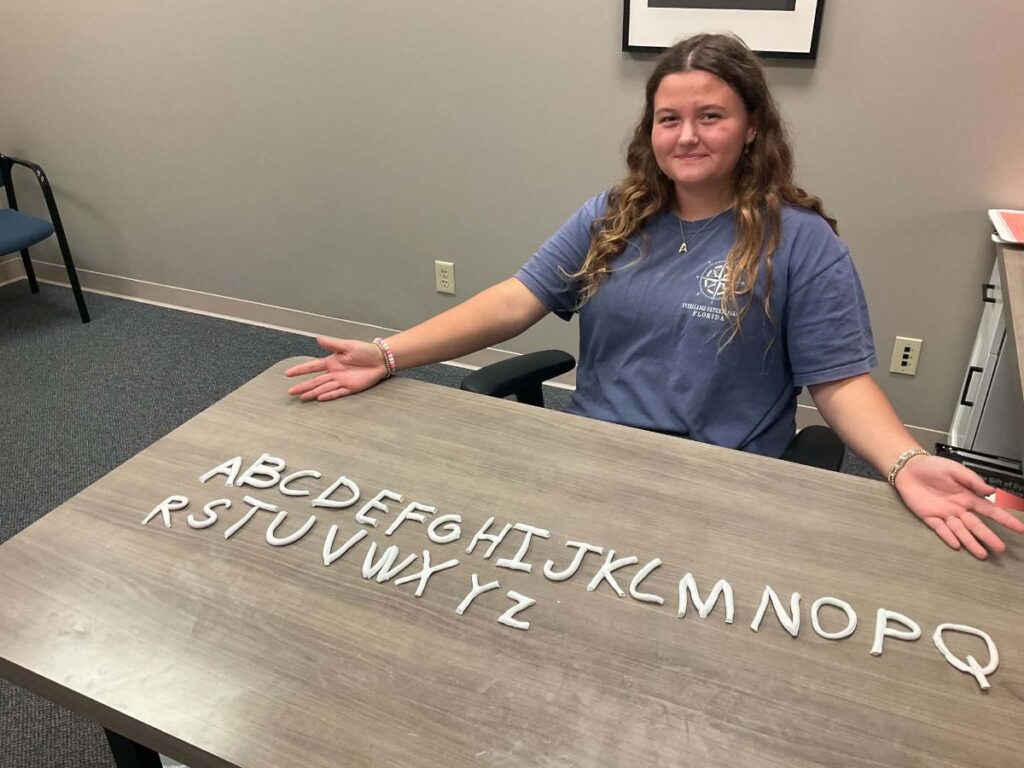
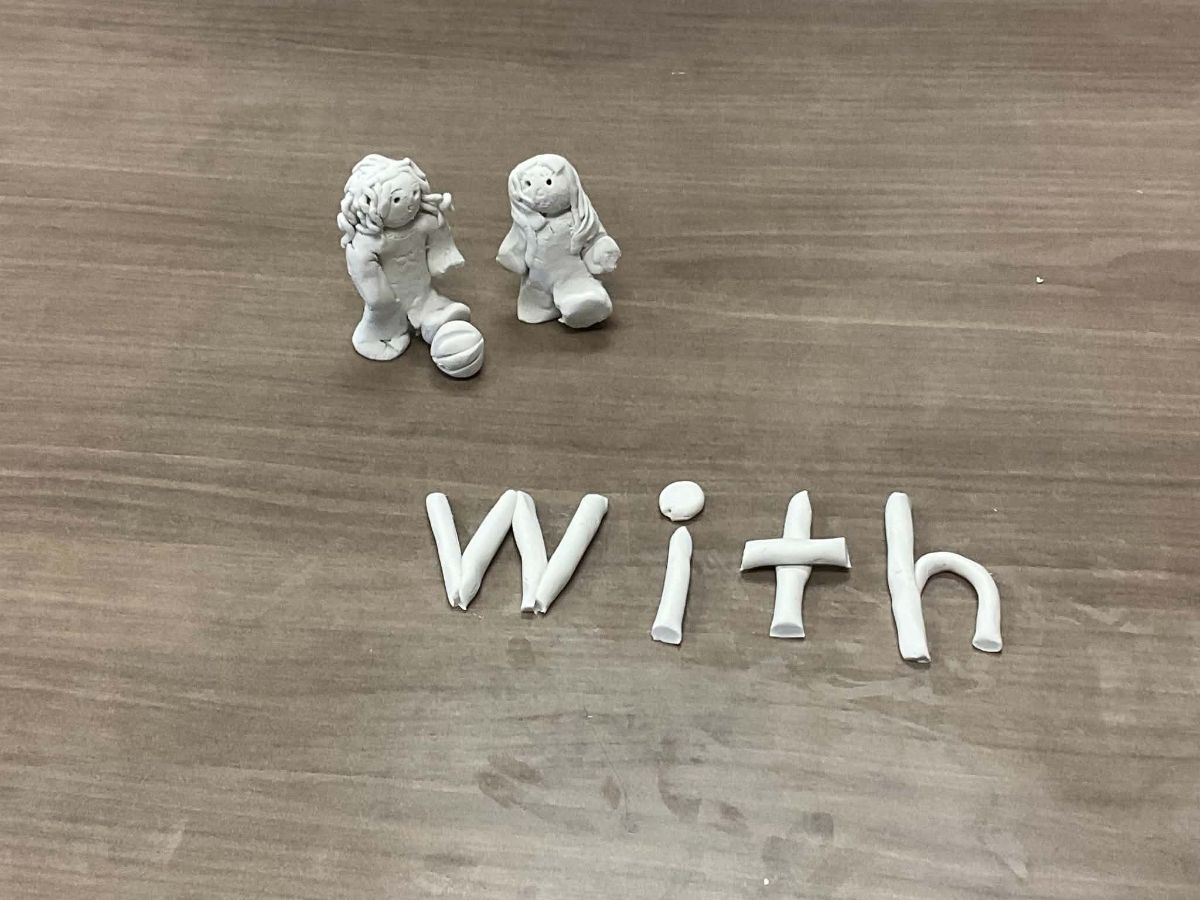
Email us a picture of one of your clay models that you would like to be shared in an upcoming newsletter.
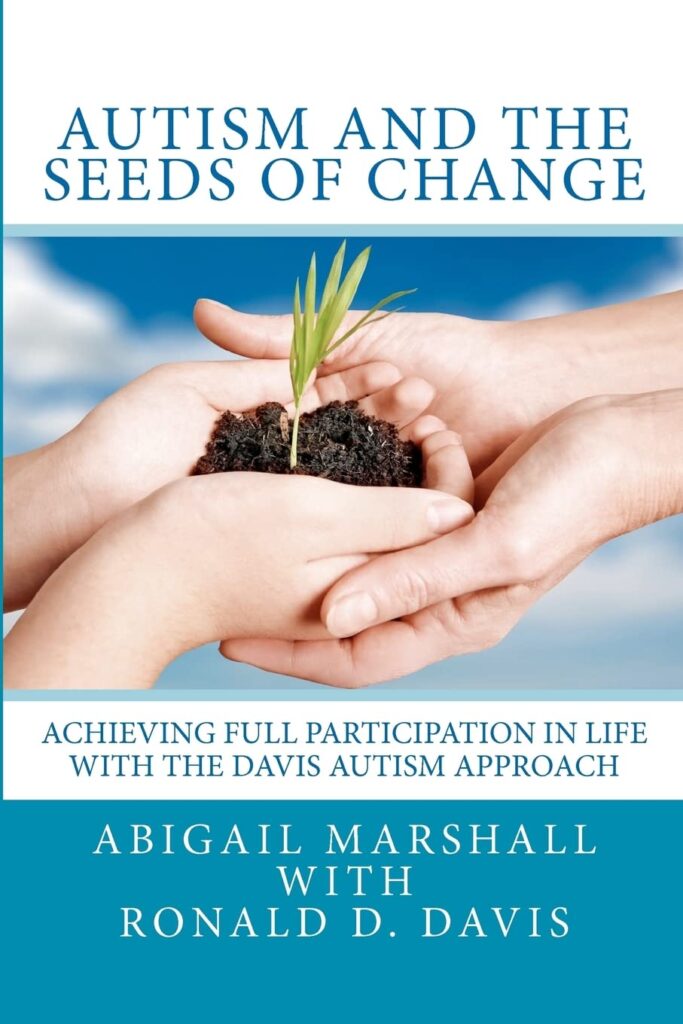
Autism and the Seeds of Change, by Abigail Marshall with Ronald D. Davis, offers a different perspective on autism, one that focuses on developing self-awareness, understanding life concepts, and building the tools needed to participate more fully in everyday life.
Ron Davis developed the Davis Autism Approach from his own experiences as an autistic individual. The book explores the thinking behind this approach and how it supports individuals in developing a stronger understanding of themselves and the world around them.
As a Davis Autism Approach facilitator, I appreciate the emphasis on understanding the individual rather than simply focusing on behaviors.
If you’re a parent, educator, or someone interested in understanding autism from a different perspective, this is a book worth exploring.
We have hope and help for Dyslexia, ADHD, Executive Functioning, and Autism. It’s easy to get started! Just reply to this email or call 763-250-0485.
Professional services described as Davis®, including Davis Dyslexia Correction®, Davis Symbol Mastery®, Davis Orientation Counseling®, Davis® Attention Mastery, and Davis® Reading Program for Young Learners may only be provided by persons who are trained and licensed as Davis Facilitators or Specialists by Davis Dyslexia Association International. dyslexia.com