MNLS BLOGS
Most students lose ground over the summer. What if your child didn’t?
May, 2026
You’ve made it through the school year.
And if you’re being honest…
you already know how it really went.
Maybe your child worked hard—but it still felt like a struggle.
Maybe reading is still inconsistent.
Maybe math brings frustration or tears.
Maybe confidence has taken a hit.
Maybe you’re already wondering how next year is going to go.
And now summer is coming.
You might be thinking:
“We just need a break.”
And yes… a break is important.
But here’s something many families aren’t told:
Research shows students can lose a significant portion of their reading and math gains over the summer.
20–30% of their reading gains
and 20–50% of their math gains from the school year.
So what if this summer didn’t feel like starting over again in the fall?
What if instead…
Your child kept what they’ve learned
and finally built a solid foundation in the areas that have been hard?
Because when reading starts to make sense…
When math finally clicks…
Everything changes.
One parent shared it this way:
“For the first time, something actually worked. My child went from tears and frustration to confidence… and even said, ‘That was fun.’”
That shift is possible.
Not because your child needs to try harder
but because they may need a different approach that aligns with how they process information.
And summer gives us the space to do that.
We have a limited number of spots available this summer, and they are already starting to fill.
If you’ve been wondering if something more is possible for your child…
now is the time to explore it.
The first step is simple.
Let’s schedule a quick call to talk about your child, what you’re seeing, and what might help.
Warmly,
Tracy
Minnesota Learning Solutions
Why is my child bright but still struggling to read?
It can be confusing when you know your child is smart… but reading just isn’t clicking.
In many cases, it’s not about ability. It’s about how their brain is processing the information.
Some children think in pictures, not words (sounds). And when reading is taught in a way that doesn’t match how they think, it creates confusion.
When we address that root confusion and give them tools that align with their brain, things start to make sense… and reading becomes something they can actually do.
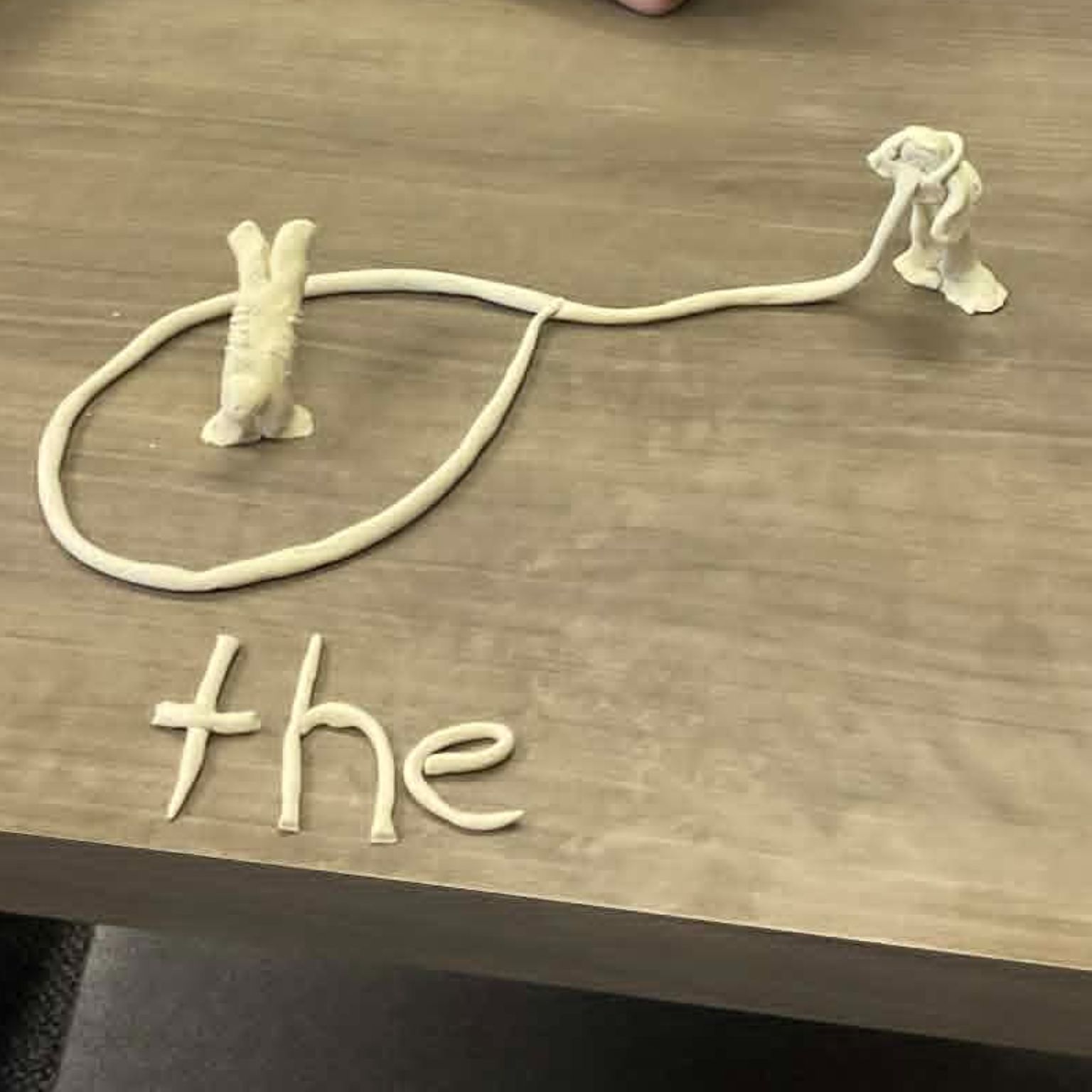
Email us a picture of one of your clay models that you would like to be shared in an upcoming newsletter.
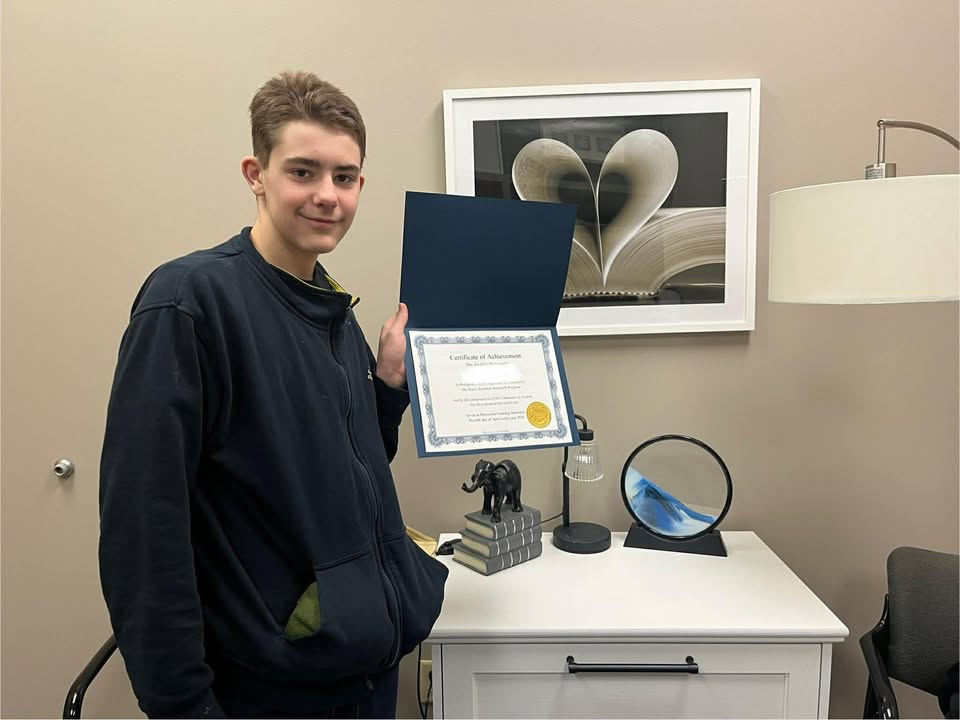
Connor completed his Davis Mastery for Attention program, facilitated by Sydney, and there has been some great change.
When Connor started, staying focused and keeping up with schoolwork and responsibilities felt challenging.
Over the course of the program, we saw meaningful shifts. His focus has strengthened. He’s staying more on top of school and chores, and his grades have improved.
I’ve also noticed a change in how he carries himself—more confident, more steady, more intentional.
His dad has seen those same improvements at home. Connor is interacting differently with his siblings and has taken on more responsibility in his leadership role within his church group.
Connor now has tools to support his focus, regulate his energy, and bring himself back when he needs to.
So much growth for Connor. I’m excited to see where these tools take him next.
And he was sure of it.
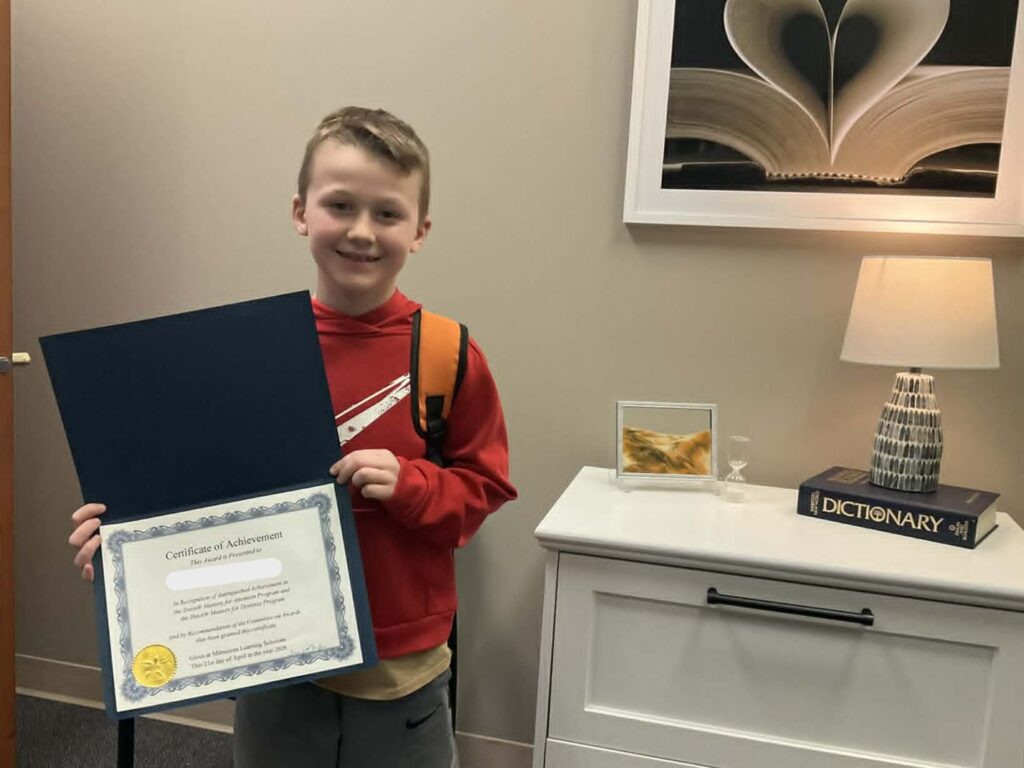
That student was Noah. And he recently finished his program.
When he came in, reading felt frustrating and overwhelming. Writing was a challenge, and focus was hard to hold.
After finishing, he went back to school and said,
“Reading was way easier.”
His work came home finished. His handwriting looked completely different.
From Noah:
“I can write better.”
“I know my alphabet now.”
“I’m getting the words right.”
“I’m less frustrated.”
Reading used to feel frustrating, mad, and angry.
Now it feels fun, exciting, and easier.
Same kid. Different experience.
Way to go, Noah
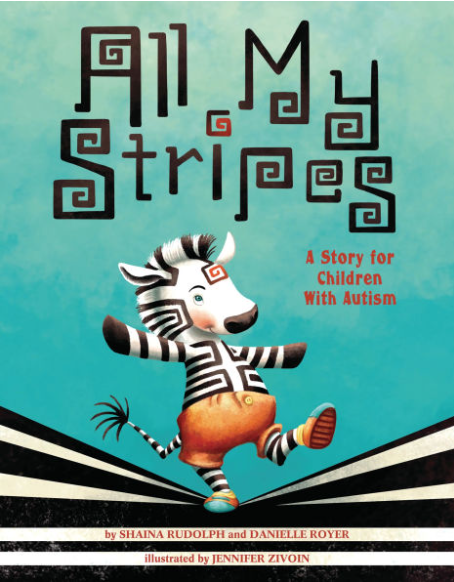
This is a sweet and meaningful children’s book that offers a gentle way to talk about autism.
All My Stripes follows Zane the zebra, who is worried that his autism is the one thing others notice most about him. With the help of his mom, he begins to see that he has many different “stripes” that make up who he is.
I love how this book helps shift the focus from what feels hard to everything else that is also true about a child.
It can be a helpful read for building understanding, opening conversations, and reminding kids that they are so much more than any one label.