MNLS BLOGS
The answer has less to do with effort and more to do with how the brain processes information.
February, 2026
One of the most common questions I hear is simple and honest:
“Why does the Davis Method work when so many other approaches haven’t?”
Most families who reach out to me have already tried a lot.
Tutoring. Phonics. Extra practice. Different curriculum. Waiting it out. Pushing harder. Slowing things down.
And yet, the struggle continues.
The reason Davis works is not because children try harder here.
It works because we stop asking them to learn in ways that do not match how their brain works.
Many of the students I work with are picture thinkers. Their minds are visual, creative, and big picture. This is a strength. But it can clash with traditional learning approaches that rely heavily on sounds, repetition, and sitting still.
When learning does not match how a child’s brain naturally processes information, confusion builds. That confusion often shows up as frustration, avoidance, anxiety, or a loss of confidence.
Davis works because we do three essential things differently.
First, we help students regulate their focus and energy so learning feels calm and accessible instead of overwhelming.
Second, Davis is a multisensory approach. Students do not just hear or see information. They experience it. Through movement, hands on tools like clay, and real life experiences, meaning becomes clear and learning sticks.
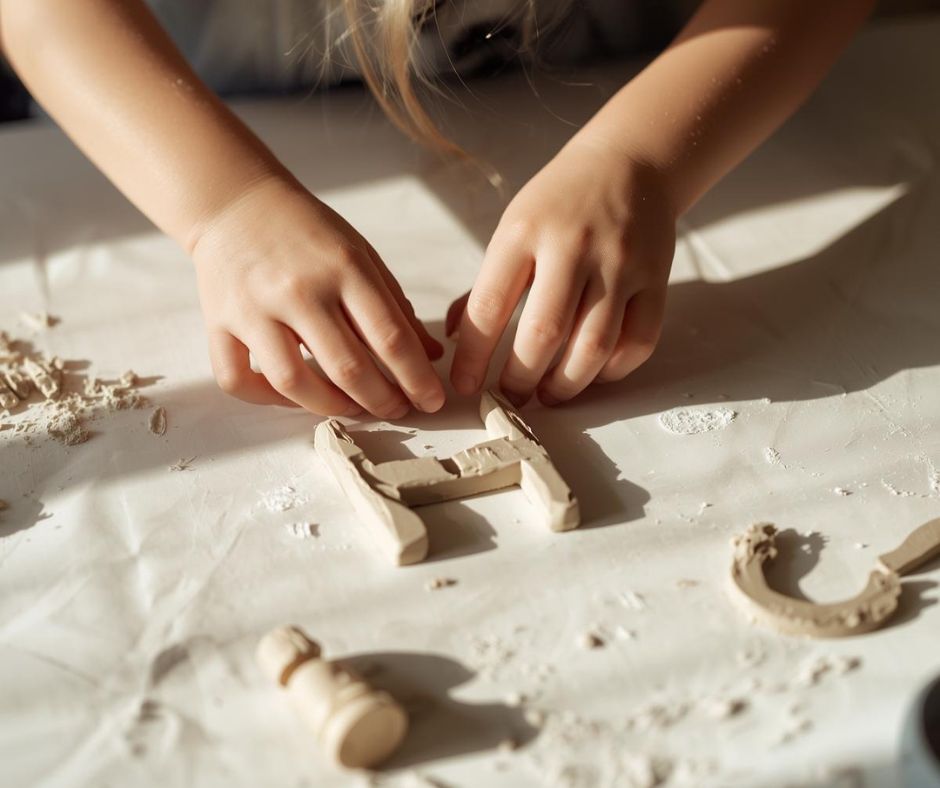
Third, we work with a student’s natural way of thinking instead of trying to change it. Creativity, imagination, and big picture thinking become assets instead of obstacles.
When these pieces come together, learning often clicks quickly. Not because the child suddenly became smarter, but because the approach finally makes sense to their brain.
The biggest shift I see is not just academic.
It is emotional.
Shoulders relax.
Tears stop.
Confidence returns.
Students begin to see themselves as capable learners again.
If you have been wondering why your child understands things deeply but struggles to show it on paper, or why effort has not translated into progress, this may be the missing piece.
Your child is not broken.
You are not behind.
They may simply need a different approach.
If this resonates, I would love to connect and talk through what you are seeing. Sometimes clarity alone can lift a huge weight.
With hope and understanding,
Warmly,
Tracy
Minnesota Learning Solutions
P.S. We are now booking spring and summer programs. Summer spots are already beginning to fill, so if you have been considering support for your child, this is a good time to reach out and start the conversation.
Email us a picture of one of your clay models that you would like to be shared in an upcoming newsletter.
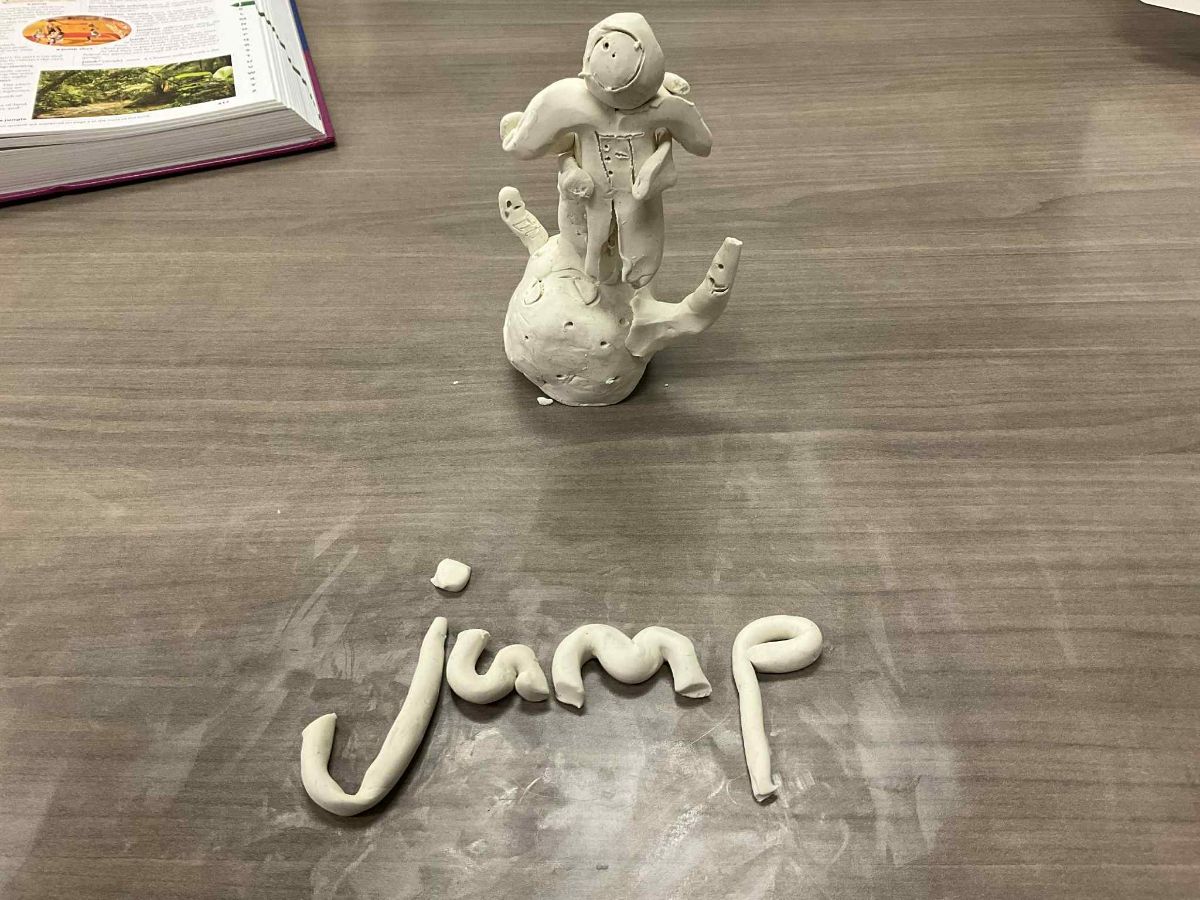
We love celebrating meaningful growth like this.
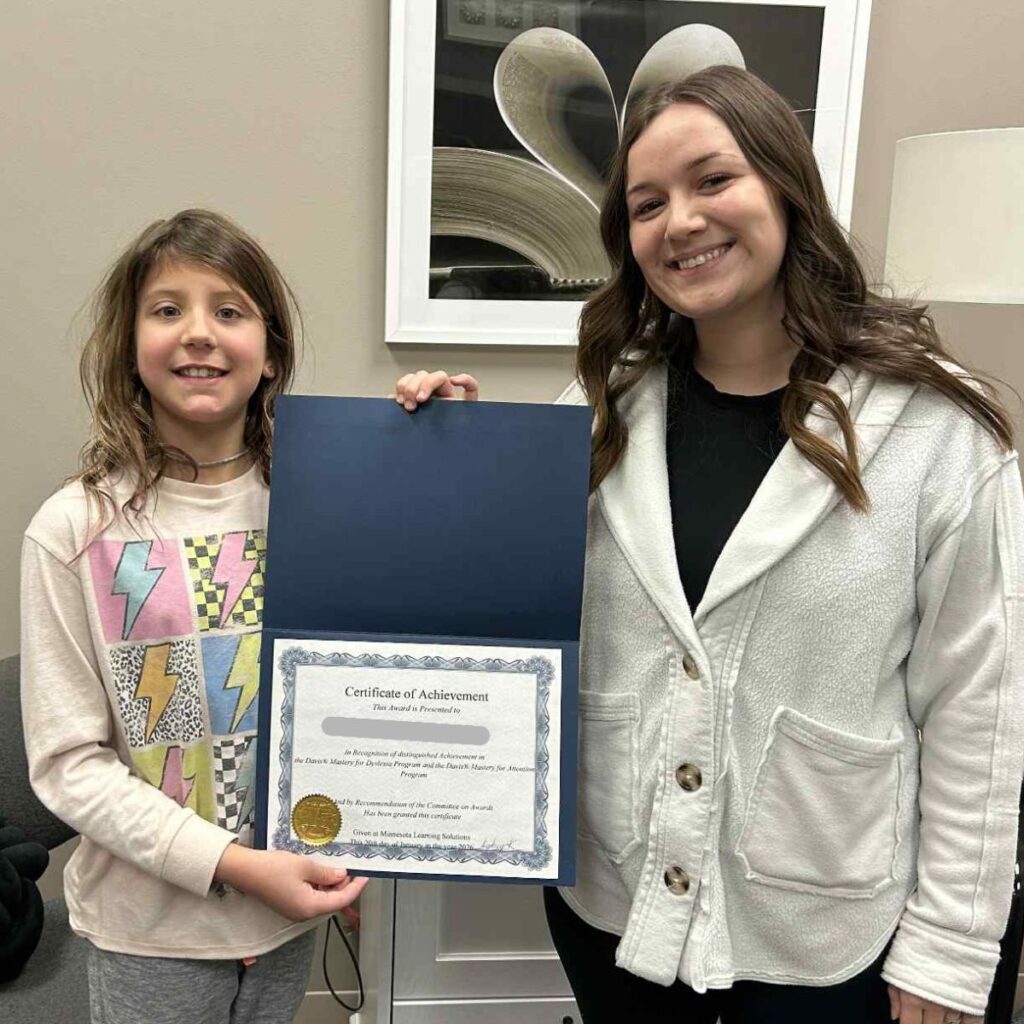
After completing both the Davis Mastery for Dyslexia and Davis Mastery for Attention programs, Mirabelle has shown a beautiful shift in her confidence and her relationship with reading.
She is now choosing to read on her own. From signs and labels to everyday print she used to pass by, words are catching her attention naturally. That curiosity is one of the clearest indicators of true change.
Mirabelle has also seen improvement in her school reading scores, along with an increase in her overall grade. This reflects not just skill growth, but stronger self-belief and engagement.
Through the Attention Mastery program, she is using her tools to better manage her energy and recognize what kind of energy fits different situations. This has helped her stay more regulated, focused, and confident throughout her day.
We are so proud of Mirabelle and the work she has done. Way to go.
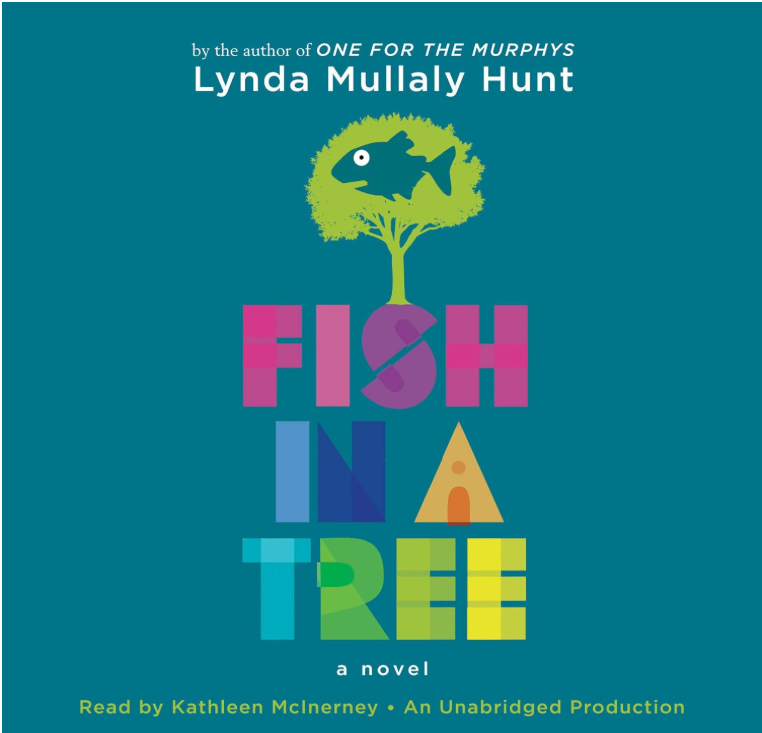
Fish in a Tree tells the story of a bright, capable student who spends years believing she’s “bad at school” — not because she isn’t smart, but because no one has shown her how she learns.
This book resonates deeply with so many families I work with. It gently reminds us that struggle is not a sign of lack of effort or ability. More often, it’s a sign that the right approach hasn’t been found yet.
If you have a child who is trying hard but still feeling frustrated, discouraged, or stuck, this story offers hope — and a powerful reminder that understanding changes everything.
If this book feels familiar, you don’t have to navigate it alone. I’m always happy to talk and help you explore what might support your child best.